We authors are always faced with a multitude of challenges. Sometimes it can be hard and disheartening.
But while there are many stories of authors who tried and failed, there are also many stories of authors who succeeded. And this story is not only one of triumph, but also provides a guide on how one author broke through.
This is the story of a retired man who put Benld, a town of only 1,400 people, back on the map and told the story that he felt needed to be shared.
Side note: I only found out about this story because he’s the Gruncle (shout-out to all those Gravity Falls fans) of someone I work with.
The Beginning of the Author Journey

It all starts with 80-year-old James Marcacci, who had a story about his hometown of Benld, Illinois, a place where Al Capone once staged his bootlegging operations in a fascinating way. A town largely forgotten by history, James believed there was a story worth telling, and that the true history of Benld needed to come to light.
Partnering with John Ubben (who during the process passed away), James got to work writing.
He didn’t get bogged down by the latest story structures or writing techniques. He put fingers to the keyboard and started writing what he knew. He also conducted research and made sure the overall story was accurate and well told.
Unknowingly, he used his research and outreach to the town as a starter to getting people around him excited for the book, something I’ll touch upon more when we get to his marketing tactics and plan.
So, basically, he got right to work, and crafted the historic tale and told the story he had on his heart.
By the way, if you’re interested in this story, or would love to support the author, here's a link to his book, Benld and the Booze Gang. Absolutely worth a read!
What He Did to Make His Book a Professional Best Seller
Overall, James did an amazing job creating his book. As you’ll see, at 80 years old and not pursuing a long-term author career, he made smart decisions to ensure this one book was high quality, without bogging himself down in learning an entirely new or complex strategy.
But as you’ll also see, making sure your book looks professional and is set up correctly in the Amazon store is absolutely critical. Regardless of your marketing tactics or launch plan, if the book doesn’t look professional or isn’t positioned well, it will struggle to succeed.
Analyzing His Book Cover Design
Let’s start with the book cover. Reaching out, I found that he used MiblArt to create it, and without even speaking to them, let me just say they absolutely crushed this cover.
What I love most is that this looks extremely professional right away. It doesn’t come across as a DIY attempt or a cheap imitation of another cover. The design, the color choices, and even the font selection all signal that this was professionally done. In truth, this looks like something you’d expect from a top publishing company.
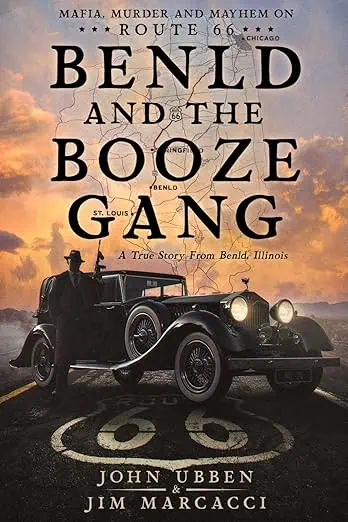
Another thing they nailed is how well the cover reflects the subject matter. Every element contributes to the story. You have a period-specific car, a shadowy 1930s gangster holding a tommy gun, Route 66 incorporated into the design, and an overlay of the supply route behind the title, which ties directly into the book’s theme.
Furthermore, the color choices create an ominous tone that fits perfectly with the story. Right away, just by looking at the cover, along with the title and subtitle, you get a clear sense of what the book is about and what to expect.
With a cover like this, customers will immediately assume this is a high-quality book and will already have a strong understanding of the story before even reading the description. This is a masterclass in how it should be done.
Extra tip: When you shrink the cover down to the size you’d see on Amazon, notice that none of the important details are lost. You can still clearly make out the figure and even the tommy gun, thanks to the strong contrast from the clouds behind it. Every detail remains visible. Many books make the mistake of including important elements that disappear when scaled down, but that’s not the case here.
Conclusion: I strongly believe that if this book cover hadn’t been executed this well, all of his marketing efforts discussed below wouldn’t have mattered. Sure, as authors, we can do a lot to drive customers to a book. But people do judge a book by its cover, and if it looks less than professional, even the best marketing efforts will be slowed down or will completely stall.
Keywords and Categories Strategy
Sadly, he didn’t use Publisher Rocket. His reasoning was that he was only planning to write one book, so buying the software and learning how to use it didn’t make sense for him.
Instead, he used a service called Novel Report, which provided his keywords (including how to properly fill out his 7 KDP keyword boxes) and selected the best categories for him. It also generated his book description. For $60, it’s a one-and-done solution, and for those who don’t want the headache of doing the research themselves, it’s a solid option.
Basically, it was an easy button for him.
With regards to the keywords, there’s no denying that he chose wisely. Using Publisher Rocket’s Reverse ASIN feature, which shows exactly what keywords Amazon is ranking a book for, we can take a peek under the hood.
From that, we can clearly see that Amazon not only liked his submitted keywords, but also expanded them significantly, adding the book to a wide range of additional search terms. And keep in mind, this is only one month after launch.
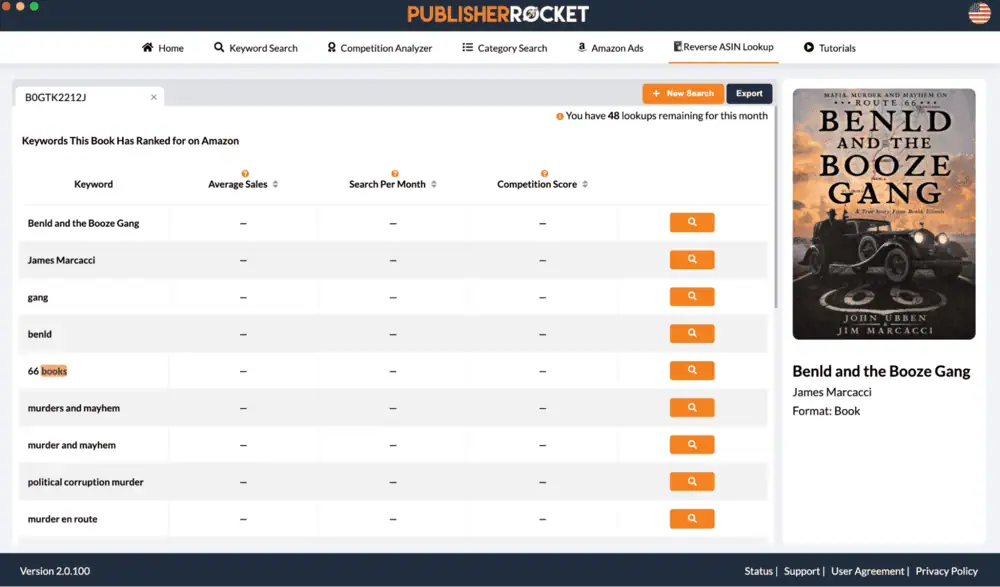
If I could expand the picture to show the large list of keywords his book is connected to, you’d see that Amazon didn’t just agree with his 7 KDP keyword choices. It also gained enough confidence in the book to place it in many different areas across the store.
This not only helped his initial audience (as you’ll see in his marketing plan) find the book, but also allowed completely new Amazon shoppers, who had never heard of it, to discover it organically.
Conclusion: James did a great job with his keywords. Not only did Amazon see the relevance, they then worked to show his book more, helping to grow his reach after his marketing effects started to slow down.
Category Selection
With regards to categories, I think they nailed it. These categories are excellent because they accurately represent the book and its purpose, while also requiring relatively low sales to reach bestseller status, especially the Immigrant History category.
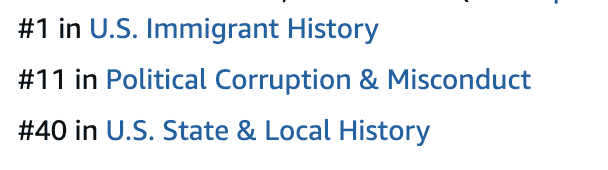
The book has a strong connection to immigrant history, considering how the town was built and its background. In truth, this isn’t a category most authors would immediately think of, since it’s more of a secondary or less obvious fit. Most would naturally jump to broader categories like US history.
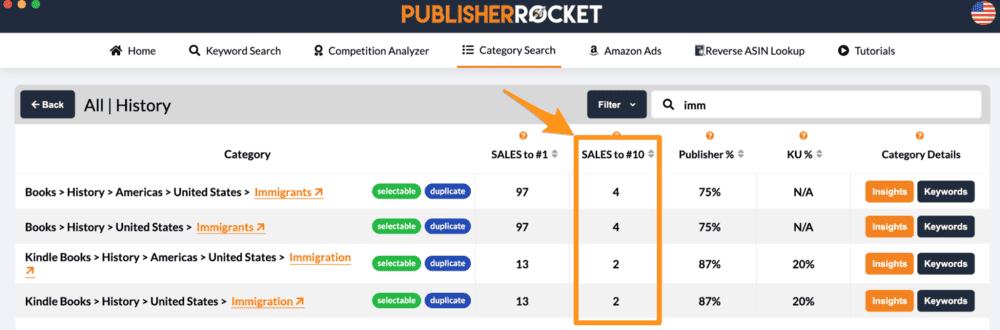
However, because that category only requires a few sales per day to reach the #1 spot, it has allowed this book to consistently hold a bestseller tag since launch. That alone has made a significant impact.
When potential readers land on the page and see that bestseller badge, it reinforces the book’s popularity and increases the likelihood of conversion.
Now, it’s important to note that James has benefited in other ways from being listed as a bestseller. As you’ll see in the marketing section below, he’s been able to land radio interviews, podcasts, and even large book signings, all because of that status. The whole town is buzzing over the fact that he told their story and is now a “bestselling” author.
Top notch!
Conclusion: Because he found a niche but relevant category that required low sales to reach #1, he’s stayed as a bestseller for over a month now, and has helped to reinforce what his book is about to Amazon.
Formatting for Design and a Professional Touch
When it came to formatting a book, James was a little turned off from that. Having spent a lot of his budget on the book cover, he didn’t want to have to pay for a professional formatter to craft his book.
Instead, he chose to get Atticus and format it himself. As has been said by others, Atticus was very easy to do and using the predesigned templates inside of Atticus, he was able to have a book ready for Amazon in no time.
It also allowed him to expand to different formats of the book. Originally, he only thought to do paperback, but he will be making an ebook soon.
When he did have a question, he was able to get Atticus' support – which is composed of authors – to help, and they were able to figure out immediately what he was looking for.
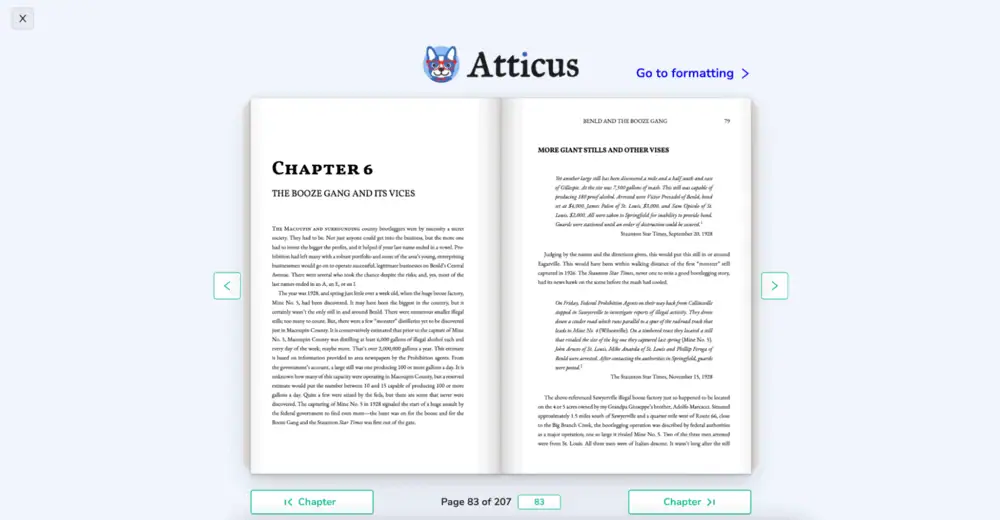
Conclusion: Designing a book you are proud of that matches the look of your cover goes a long way. It’s even better for him as he goes to book signings now, and these little things help to add up over time.
Books Description and Bio Section
With regards to the book description, it’s solid overall. You can tell there are strategic keywords woven throughout, which likely helped with rankings. At the same time, it clearly communicates what the book covers and sets the right tone. It also includes a call to action at the end that pushes right up to Amazon’s guidelines without crossing them.
There are definitely some lines in here that I really like, and I don’t think this hurt sales at all. In fact, it likely helped. That said, I would probably spend a bit more time strengthening it and testing different variations to see what performs even better.
Now, on to one of my favorite finishing touches. James absolutely nailed it with his bio picture and writeup. When you see this, it just feels right for the book. He comes across as an expert. The image looks professional and authentic, and he included subtle details that continue to tie back to the book itself. Bravo!

Conclusion: Being able to nail your description will help with new customers as they discover your book. Getting that message right will then increase your conversions and help with all of your marketing efforts. Adding fun but professional aspects like your bio picture helps to tie it all together and continue to tell the shoppers that you are the right person to tell this tale.
Marketing and Launch
Armed with a good-looking book and excellent metadata like keywords and categories, it was time for the launch. But James didn’t just hit publish and wait.
Instead, he got the town of Benld highly involved by letting them know about the book and making sure they were ready to support it the moment it went live.

For most of us, we’d call this a street team. This is where you build interest ahead of your launch so that when you publish, you have a group of people ready to purchase and leave reviews.
And creating a street team was very easy because, as I said earlier, he started naturally building a team when he started writing. While conducting research, he made connections and got people who helped to feel a part of its creation.
Furthermore, he talked about the book to neighbors and those in his community every step of the way. So, when it came time to launch, everyone knew and was ready for it.
And so, upon launch, the people who were a part of it and knew about it not only jumped on buying it, they also left wonderful reviews.
And while reviews are important and certainly help, what matters most is the number of people visiting your page and buying the book at launch. That activity sends a signal to Amazon that your book is “popular,” and as a result, Amazon starts showing it more often across the store.
Because of this, your book gets discovered by everyday Amazon shoppers who had no prior awareness of it.
And the numbers support this. Even if James got everyone of the 1,600+ Benld residents to buy the book, his numbers show that he’s sold more than that.

So, who were the other shoppers and where were they coming from? Well, like I said above, because his keywords connected with Amazon, Amazon went above and beyond and showed him for even more than he asked. When he published in KDP, he initially targeted around 15 keyword phrases (there are 7 KDP boxes, but you can include multiple phrases within them, as I teach). However, as you can see from Publisher Rocket’s data, his book ended up ranking for far more than just those initial terms.
That’s because Amazon took his keyword inputs, saw the strong early performance, and expanded his reach across many more search terms.
But James didn’t stop there. He continued to rally the town of Benld around him. He went on radio shows and podcasts and did book signings.
And I truly mean rallied, because it’s clear the people of Benld wanted their story told just as much as he did. I mean, look at some of the reviews that people left saying so.
So, through his persistence and effort, he created a genuine marketing approach that resonated with his audience.
And even after the launch, the excitement hasn’t faded. He has been invited to more radio interviews, signings, and more. What fun!
Well done, James Marcacci!
The Shame of the Vulture Market
Sadly though, there are people out there who are monitoring Amazon, looking for “hot” niches to pop up.
And James’ book did exactly that. It was clear through his efforts that there was a surge in people looking and shopping for Benld books. And in as little as one week, people made copycat books of his (13 of them at the time of this writing).
Some even go as far as making a cover that is almost identical to his.
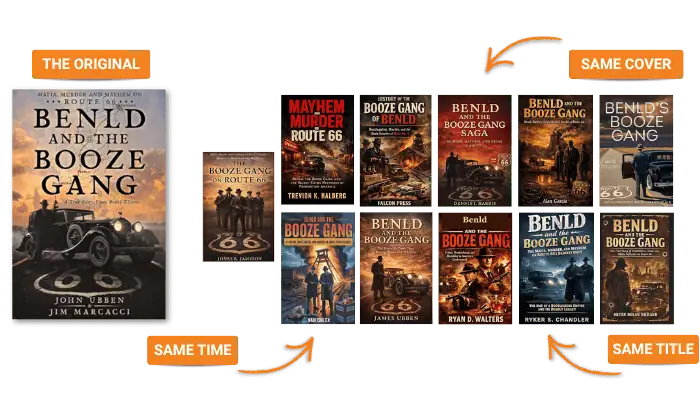
Just look at the dates of all these “Benld” books!?!?! Based on the reviews and the speed it would take to recognize the rise in popularity and produce a book, I think we can all agree these were poorly made AI books.
What’s sad is that people were probably thinking they were buying James' book and got something else.
Don’t believe me that they are trying to trick people? Notice the book below…
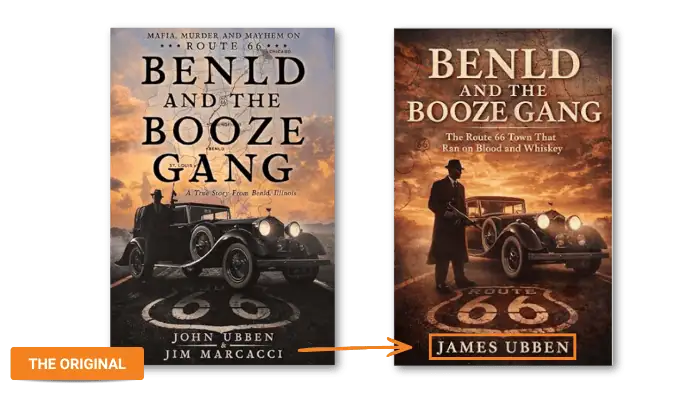
The author’s name is a combination of James Marcacci’s first name and John Ubben’s (his partner's) last name.

The sales numbers and reviews say it hasn’t paid off. But still…
Areas to Improve or Possibilities
There is no doubt that James has succeeded by his and probably most people's definition of success based on what he wanted to do.
So, my suggestions below are NOT to tell James that he needs to do more. I just wanted to add this section for other readers following along to learn a little bit more.
Based on what I can tell from this tale, there are a couple of things he could do or consider:
- With regards to the vultures, I believe I would file claims to Amazon showing that these other books are copying his title and subtitle from the perspective of trying to deceive shoppers. However, making claims can be problematic and isn’t something I’d normally promote or recommend… but he does have a clear case with many of them.
- I think the book description can be improved further… especially a stronger hook at the top.
- He should have launched with both a book and an ebook version, instead of just a print book. There were probably lots of customers who found his book, but didn’t buy it because they prefer ebooks. So, those were probably lost opportunities.
- I would definitely look to create Amazon ads to help combat the fake books out there. As these books pop up, sometimes they outrank his book in the listing, so people jump on it and he loses the sale that he should have gotten.
- With how good his cover is, as well as the research material he probably has, I’m a bit surprised he didn’t get A+ content to add to his book listing. I think a map or old timey images that would show the operation would be a great addition and make this even more professional looking.
A Story Worth Telling
Again, what a fun story across the board.
James had a story to tell and he did it. He didn’t get bogged down by the system or the process. He stayed with it, and created something he and the town of Benld could be proud of.