Second Person Point of View: Definition and Examples

Second person POV is one you come across every day — but usually not in fiction. It is more common in nonfiction.
Second person POV is one you come across every day — but usually not in fiction. It is more common in nonfiction.
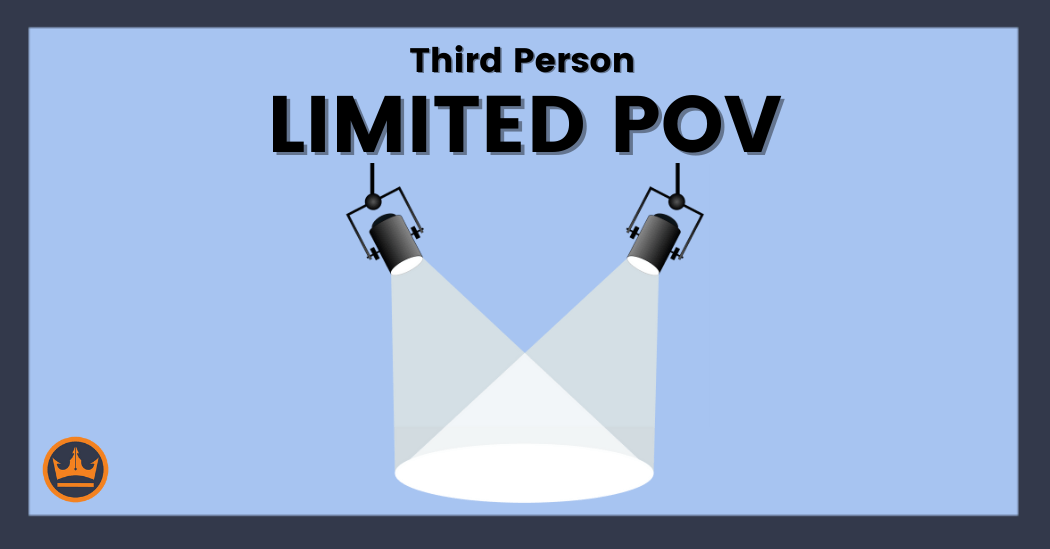
Third person limited point of view is one of the most common points of view in all of fiction. Writers use it all the time.
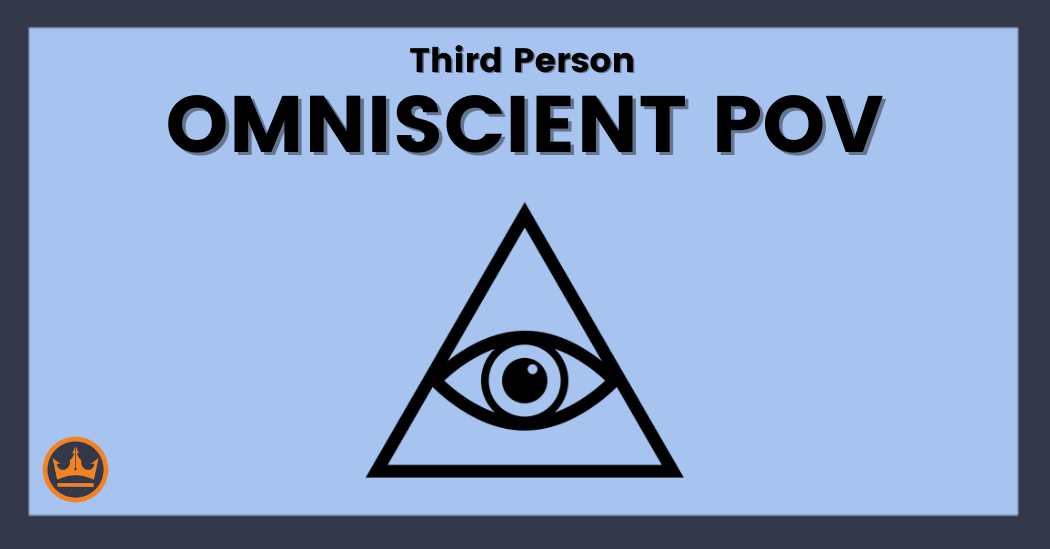
Third person omniscient point of view is a godlike viewpoint that gives the writer a lot of freedom within the story.

Fourth person point of view is not a well-recognized perspective. And there are good reasons for this, which we’ll discuss in this article.

Writers of the Future is a great contest for aspiring science fiction, fantasy, and horror authors. Learn more in this ultimate guide.

For authors who struggle to email their email lists frequently for fear of being marked as spam, this guest post might help.

Looking to create magical fantasy creatures for your book? This article will help you make them believable and unique.

Udemy is having a sale where all courses are $9.99. Find out which Udemy courses are best for authors and self-publishers and start saving immediately.

Exposition can make or break a story. Do it well, and your readers are immersed in a story, do it badly, and it will turn them off.

For a successful book deal, you must ensure your book is a market fit, find an agent, submit your manuscript to publishing companies, then choose an offer.

Which is better, updating or republishing a book? Is there a difference? When does one make sense over the other? Find out in this post.

Find out which book sales tracker service will save you time and let you do more of the rewarding parts of being an author.
INTRODUCING: AUTHORPRENEUR ACADEMY
Join 1,500 (and counting) students who have learned our proven process for crafting, publishing, and marketing a book that stands out — without feeling overwhelmed.