Writing a book takes time. A lot of it.
So one of the biggest mistakes an author can make is spending months writing a book… only to discover afterward that the market was never there.
It’s not because the writing was bad and it’s not because the idea was terrible. It’s usually because no one checked the demand before starting.
Publishing companies almost never make that mistake.
And this isn’t just theory. When I consulted for major publishing companies, one of the very first steps was always validating the market and the book idea itself.
Before a book was ever green-lit, they analyzed real market data to estimate demand, competition, and sales potential. That data guided every decision, from which ideas to invest in, to which needed a different angle, and which were better left on the table.
Here’s the good news.
You don’t need a publishing deal, insider access, or expensive reports to do the same thing. As a self-published author, you can use publicly available Amazon data to validate your book idea before you write a single word. In many cases, the process only takes a few minutes and can save you months of wasted effort.
In this guide, I’ll show you exactly how to do it. You’ll learn how to:
- Tell whether readers are actively searching for books like yours
- Estimate the potential sales of a book idea before publishing
- Spot warning signs that most authors miss
- Adjust your positioning so a weak idea becomes a strong one
Whether you are brainstorming your first book or deciding what to write next, this process will help you make smarter, more confident decisions before you ever open a blank page.
There are a lot of steps to this, however, if you’d like to skip all that and use a simple tool that does all of this for you, and saves you hours of time, and gives you better data, then click here.
Book Topic Validation – What it Takes to Make a Book a Good Idea
So what does it mean when someone says a book is a good idea?
There are contextual pieces to this equation like it being a topic you are passionate about or a topic you really know. But for the purpose of this article, we’re going to focus solely on the marketing aspect of the idea and whether or not Amazon has a pre-existing market actively searching for the kind of book you want to write.
So the real question should be: Is this a book idea that Amazon will help me to sell?
Now, famous people like Stephen King or Tony Robbins can sell just about any book. Because of their pre-existing fame, platform, and reach, all they need to do is write a book, and engage their fans…which for them, equates to instant best-seller and multi-million dollar profits.
But, sadly, that’s not us… or at least not yet. Instead, most of us must depend on creating a book that is discoverable and has a unique positioning without hordes of competition.
To get that, you need your book idea to have the following three criteria:
- Pre-existing Market: A pre-existing market is proof that people are actively looking for your kind of book. They are searching the internet and trying to find the subject you are thinking about writing.
- Proof that the market is willing to pay: There are many things out there that people type in that they don’t intend to pay for. Sometimes they do, but they find they can get it for free somewhere else. With this, you want to verify that your idea is profitable and the market is willing to pay you what you think it is worth.
- Low enough competition: Even if there is a hungry market that is willing to pay for your book, if there is too much competition or the competition is too good, then your idea will sink. A book on “How to Lose Weight” may have lots of people willing to pay for it, but your book will never be discovered in the sea of other “How to Lose Weight” books.
Sounds like a lot, but don’t be discouraged because I have a process and tool that will help you collect the above information and help you make an informed decision on whether or not your book idea will make you money.
IMPORTANT NOTE: Just because your book idea doesn't meet the above requirements, doesn't mean you can't write it. I just means that you will need a MUCH stronger and more complicated marketing strategy in order to rise above and get your book into the hands of readers. If you need help in that, then you should consider this here.
Book Idea Research: Step-By-Step Guide
The following steps are the exact steps I use to figure out whether or not a book will sell. It includes the manual method that anyone can do, or a more effective and efficient method if numbers and time are an issue.
Part 1: Learn If & How Many People Search For Your Book Idea?
First and foremost, you need to know if people are actively looking for your kind of book. To do this, start by typing in your idea into Amazon. When you do this, Amazon will try to guess at what you're going to write by autofilling in responses that they've seen others type in before – like this:
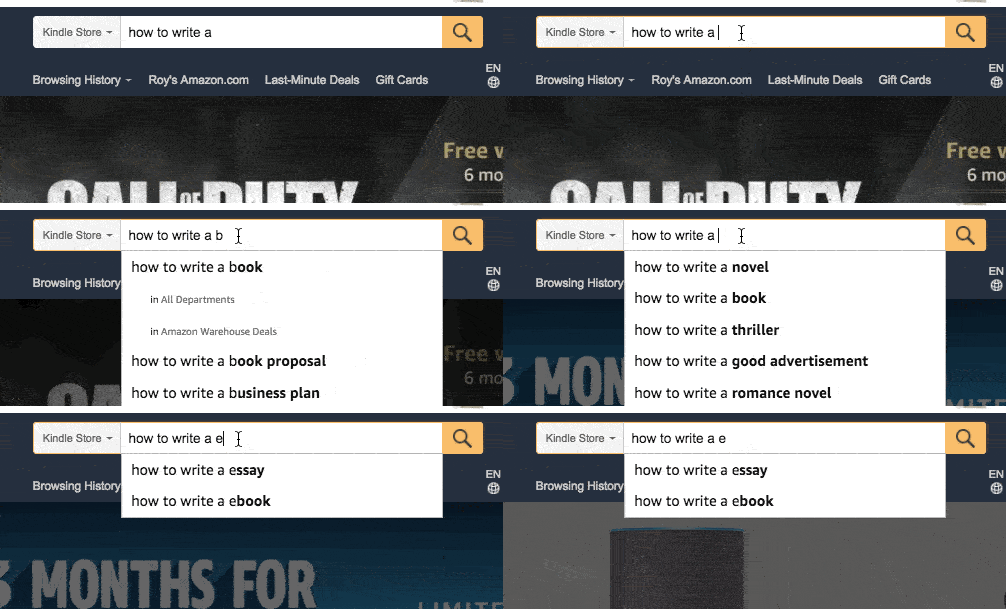
Through this process, you can build a list of phrases that shoppers have used when on Amazon – giving you an idea of what kind of books or things shoppers are looking for. If you start typing in your idea, but Amazon doesn't try to guess correctly at what you're typing in, then there's a great chance that shoppers aren't looking for your kind of book or idea.
However, this process of manually typing can be misleading. Because sometimes Amazon will show you something, however, not many people actually search for it. That's why it's important to not only know if people are searching, but whether there are enough shoppers looking for your idea.
If you have Publisher Rocket…
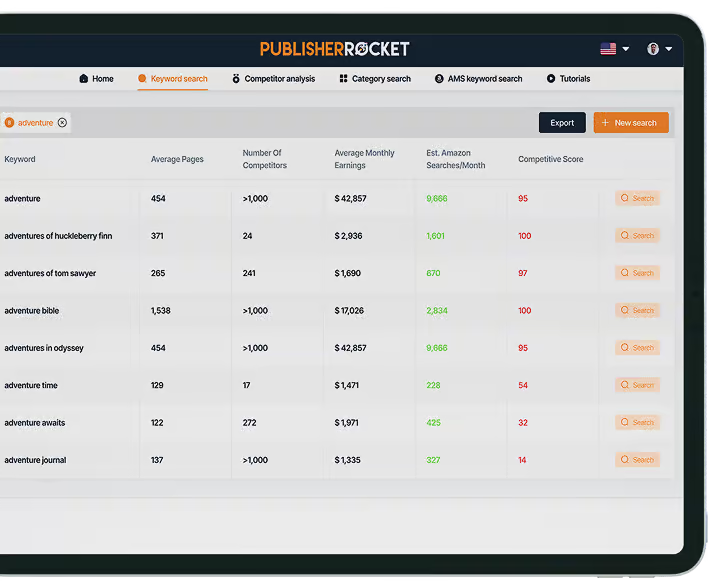
That's why you'll need a tool like Publisher Rocket for this step. This software, will:
- List all of the Amazon suggestions like above
- Tell you how many people typed that phrase into Amazon per month
- Color-codes the results based on a complex algorithm that estimates which keywords are more likely to work

Part 2: Find Out if the Idea is Profitable during the Book Topic Validation Process
Okay, so now that we know that there are some searches for our idea, and customers are actively looking, it's now time to figure out if customers are actually buying books from their search.
I made the mistake once of forgetting this step. I had a high demand idea that had low competition. However, it turns out it wasn’t the type where people would pay for the information – but were willing to look around….double whammy!
Therefore, we need to verify if people are willing to pay for this kind of book or if they are looking for free deals, or it's not enough for them to actually whip out their wallet and buy books on this subject or genre.
So to check if your book topic or idea is profitable, be sure to follow these steps:
Step 1. Type your potential book idea phrase into Amazon for Kindle

Step 2. Select the top 14 books (number of books that show up on the first page of the Amazon search results) and find their Amazon Best Seller Rank (ABSR), price, and Number of reviews. You will find the book's ABSR by scrolling down to each book's Product Description section.
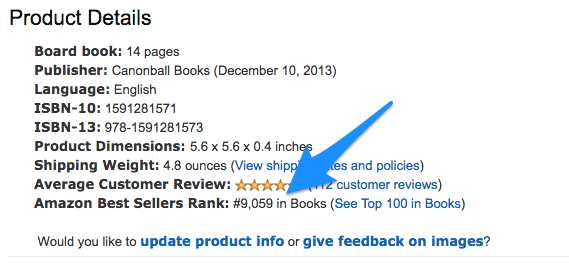
Step 3. Take the ABSR number and place it in my free Amazon Best Seller Rank Calculator below. This will tell you how many books are sold per day.
Step 4. Multiply the number of books sold per day by the price of the book and “30” so as to give a rough estimate of how much money the book is bringing in per month – yeah, I know there are months that don't have 30 days, but let's just keep it simple 😉
(Number of Books Sold Per Day) X (Price) X (30) = Estimated Revenue Per Month
Step 5. Now, do the above for all 14 books that were selected. Add up all the Earnings Per Day and divide by 14 so as to get the top 14 average earnings per day for that group.
(Add up all Earnings per Day)/14 = Average Earnings for that Search Phrase
Step 6. Now ask yourself if that seems like a good number.
If You Have Publisher Rocket…
This step is very easy. Doing the keyword search, you can immediately see how much money on average the books are making that show up for that book idea. So, no clicking around, writing down, calculating and recording… just right there for you to see quickly
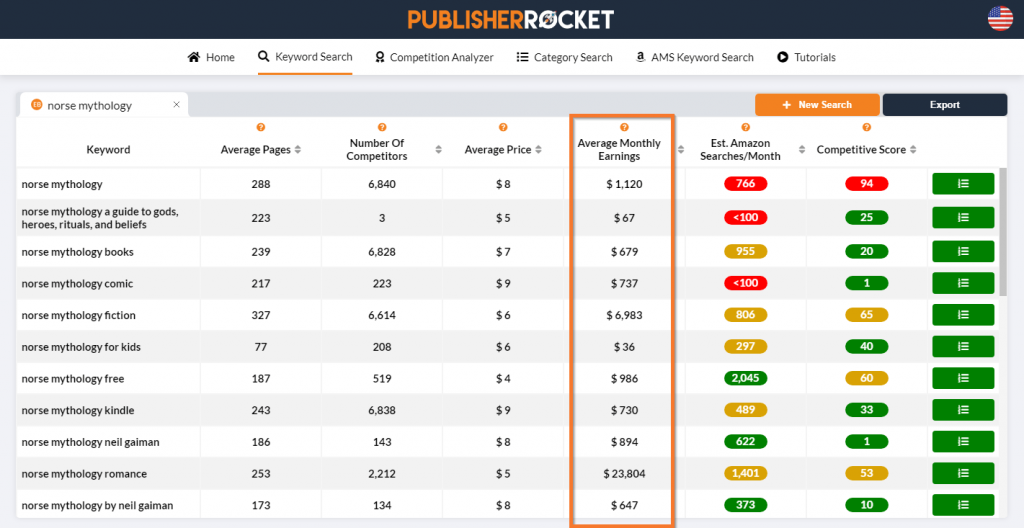
Part 3: Discover How Hard the Competition is during the Book Topic Validation Process
So, by now, we should know how many searches are made for the phrase, and whether or not it is profitable. We now need to figure out if the competition is too great and whether or not we can get our book in a position to beat the others.
To do this, we can do the following:
Step 1. Record the number of search results that appear for the phrase. To do this, type in the phrase in Amazon and look for the number of results that show up:

Step 2. Take the ABSR of each of the top three books and average them together.
(ABSR of Book 1 + ABSR of Book 2 + ABSR of Book 3) / 3 = Average ABSR of the Top three Books
Step 3. Take the ABSR of the top 14 books and average them together.
(ABSR of Book 1 + … + ABSR of Book 14) / 14 = Average ABSR of the Top 14 Books
Step 4. Finally, look at the book covers, the happiness of the customers (reviews), descriptions, etc. and give the book a grade from 1-100, with one being terrible and you could beat it, and 100 meaning perfect in every way like Mary Poppins. This will be our quality competition analysis.
By having these four numbers, you’ll be able to compare the competitiveness of this phrase or book idea both quantitatively and qualitatively.
Going back to the information you've recorded on your excel sheet, let's look at the ABSR of the first book. Our goal should be to outrank that book because the book that ranks #1 for a phrase gets the most sales.
But sometimes a niche/ idea/ phrase is just too juicy and ranking #2-6 is sufficient for enough sales to warrant writing the book as well. That’s why I’ve included Steps 2 and 3.
So, what constitutes what is too competitive as compared to good enough? Well, that depends on many factors, including:
- How many searches are there per month for that book idea: Is there enough room?
- Quality of the Titles and Subtitle: Are they optimized for showing up for that phrase?
- Quality of the Book Cover: Are they super ugly and easy to beat?
- Quality of their description and sales copy: Are they masters?
- The author, their fame and legitimacy: Hopefully Tony Robbins isn’t one of your competitors.
If You Have Publisher Rocket…
If you don't know how to rate the above, don't worry about it if you're using Publisher Rocket. We actually took most of that information and created a competitive score for you. That way, you can use our intuition and experience to figure out if its easy or too competitive. You can also use Rocket's Competition feature to learn key insight into each of the books you might be competing against if you wrote the book.
Not only that, but we've color-coded the results for you, because sometimes a keyword might have a low competitive score, but there are other factors making it a bad fit. The color will give you an even more accurate picture of what will and won't work.

Part 4: Rinse and Repeat the Book Topic Validation Process
Most likely you didn’t strike gold on your first try. Therefore, rinse and repeat. You can either go in a completely different direction, narrow down your search, and look at what Amazon suggests.
Completely Different Direction: Sometimes you can just see the writing on the wall and know it's a bad idea – congrats then, because your research just stopped you from wasting a lot of time writing a really good book that the market doesn’t want.
Narrow Down Your Search: What will most likely be the case is that as you start looking at books in your category, you’ll start to find out that you can niche down and get more specific…this will help you reduce your level of competition, but will also reduce the level of traffic as well. But hey. What’s better? 1% of 1000 or 40% of 100?
To get ideas on how to niche down, you’ll want Amazon to assist you. Have you noticed that when you go to type in a phrase into Amazon’s search box, it gives you suggestions? It gives those suggestions because it knows what people have typed into it.
So, start writing and see what Amazon suggests when you're going through your book topic validation. Write down a couple of these suggestions and repeat the processes above to see if any are a winner:
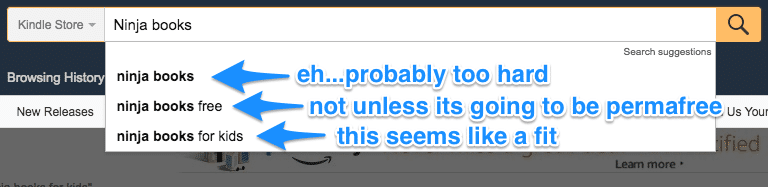
Or simply just type in your other search ideas into Publisher Rocket and click “Go Get Em Rocket.” The entire process is easily and efficiently repeated that way… just like that.
Want to See What Phrases are Working for Other Books?
By now, you’ve looked at search demand, profitability, and competition for your book idea.
That already puts you ahead of most authors.
But there’s one more step that can bring all of that research together and answer a very practical question:
What is Amazon already rewarding in this market?
Instead of guessing which phrases might work, you can look directly at which phrases are already bringing readers to successful books, and use that insight to validate (or adjust) your idea before you write.
Why This Matters for Book Idea Validation
When a book consistently shows up in Amazon search results, that didn’t happen by accident.
Amazon places books in front of shoppers based on performance data it trusts. Reverse ASIN lets you see the result of that process by showing which search phrases a book is actually appearing for.
So rather than asking:
“What keywords should I target?”
You’re asking a much more important validation question:
“What phrases has Amazon already decided this type of book is relevant for?”
If Amazon is already surfacing books like yours for specific searches (and readers are buying them), that’s strong evidence your idea fits an existing market.
How to Use Reverse ASIN (Quickly)
Inside Publisher Rocket, there’s a feature called Reverse ASIN.
Here’s how to use it:
- Find a book similar to the one you’re considering writing.
- Copy its ASIN from the Amazon product page.
- Paste that ASIN into the Reverse ASIN feature.
Rocket will then show you a list of keyword phrases that book is currently showing up for in Amazon search.
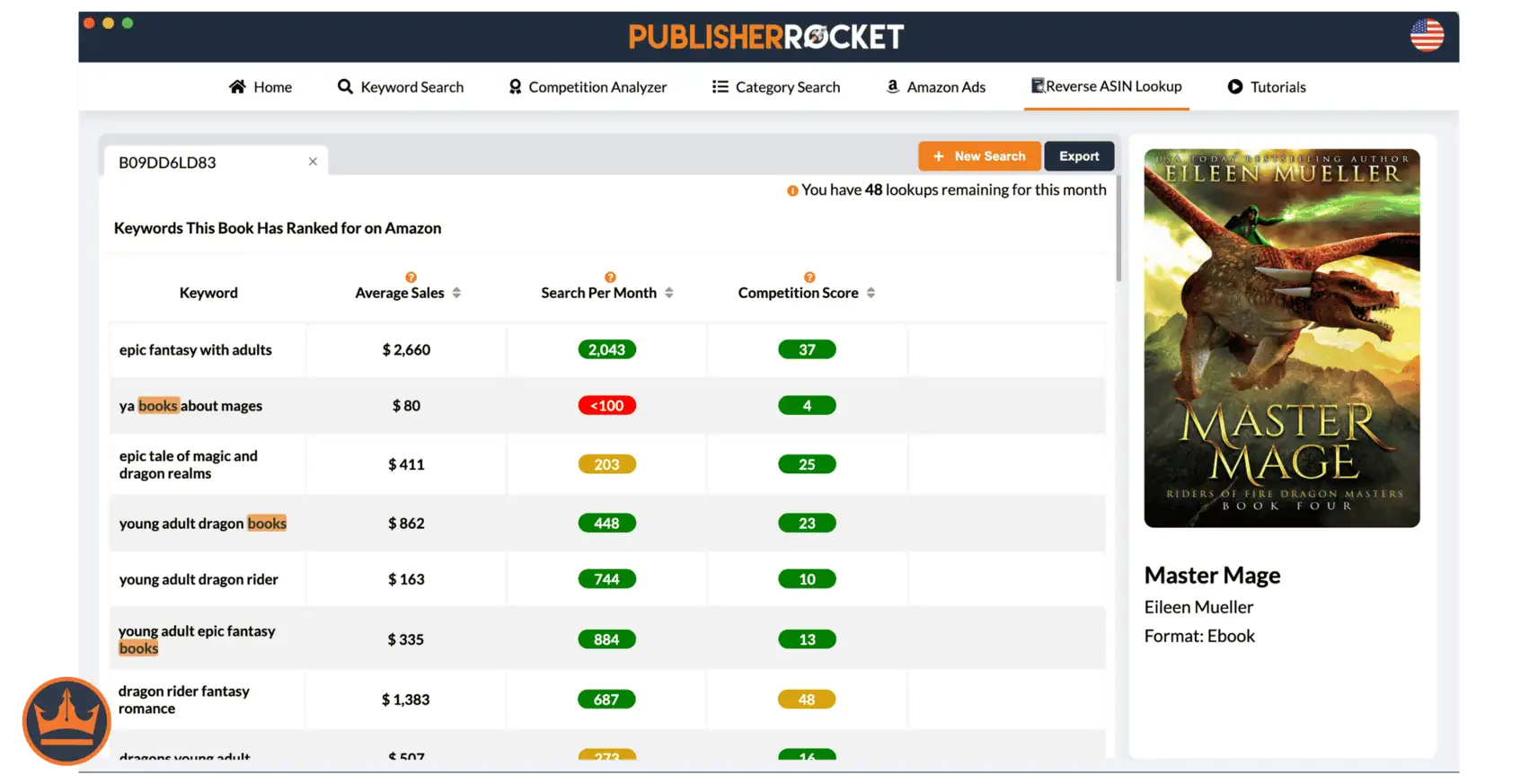
What You’re Actually Looking For
For validation purposes, you’re not trying to copy keywords.
You’re looking for patterns.
As you review the results, ask:
- Do multiple books in this space show up for the same core phrases?
- Do those phrases clearly match the problem, promise, or audience you identified earlier?
- Do the results reinforce your positioning — or suggest a better angle?
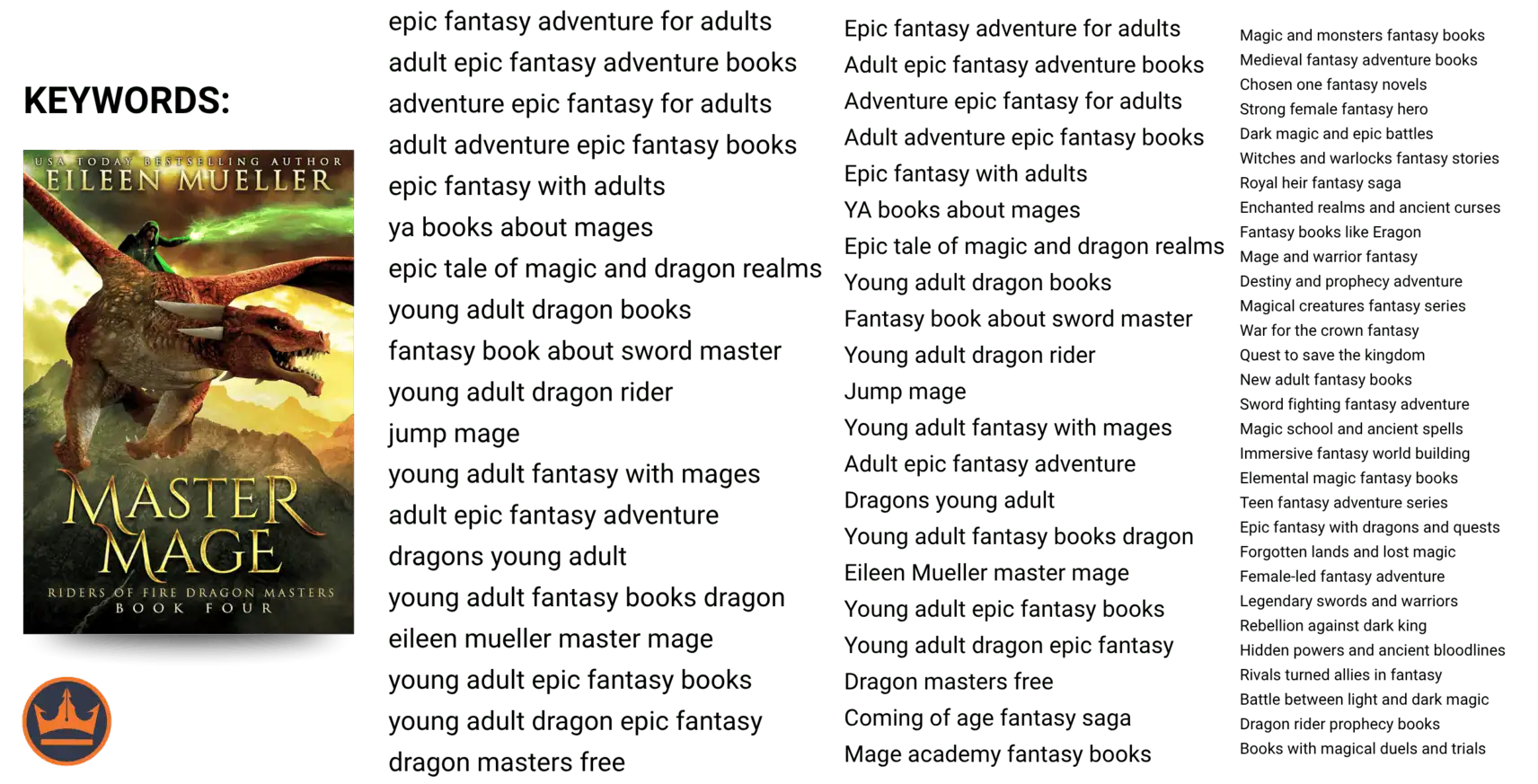
If several competing books are surfacing for tightly related phrases, that’s confirmation of a clear, searchable market (something you’ve already been testing in Parts 1 and 2).
If the phrases are scattered or don’t align with your idea, that’s useful too. It may mean the topic needs tighter positioning or a different approach before it’s worth writing.
How This Fits with the Earlier Steps
Think of Reverse ASIN as a reality check on everything you’ve already done.
- You used keyword data to confirm people are searching.
- You checked sales to confirm they’re buying.
- You evaluated competition to see if you can realistically compete.
Reverse ASIN shows you how Amazon connects all of that together in practice.
It reveals which phrases are actually driving discoverability for books that succeed… not in theory, but in real search results.
And that makes it one of the fastest ways to validate whether your book idea is aligned with what Amazon is already willing to surface and sell.
What if My Idea Didn't Work, But I Still Want to Write it?
If your research showed that Amazon doesn’t have a strong, pre-existing market for your idea and you still want to write the book, that’s totally fine.
You just need to understand one thing upfront:
Amazon probably won’t do much of the selling for you.
That’s an important distinction.
Book topic validation helps you see whether Amazon search can realistically be your primary traffic source. When the answer is no, the book itself isn’t necessarily the problem… it simply means you’ll need a more intentional approach to publishing and marketing.
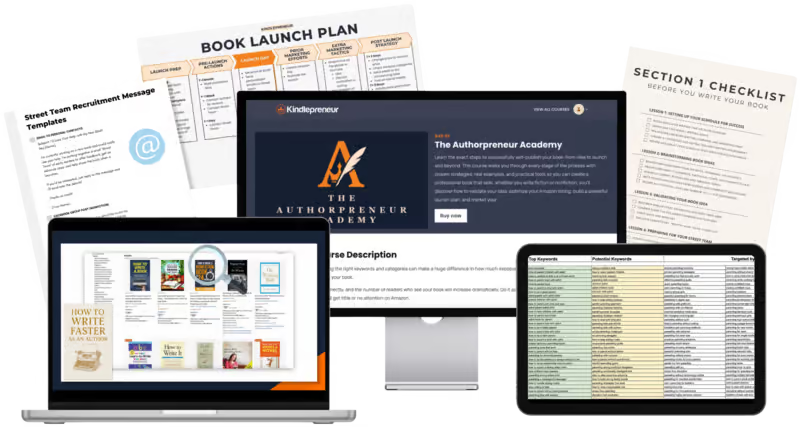
That’s where Authorpreneur Academy comes in.
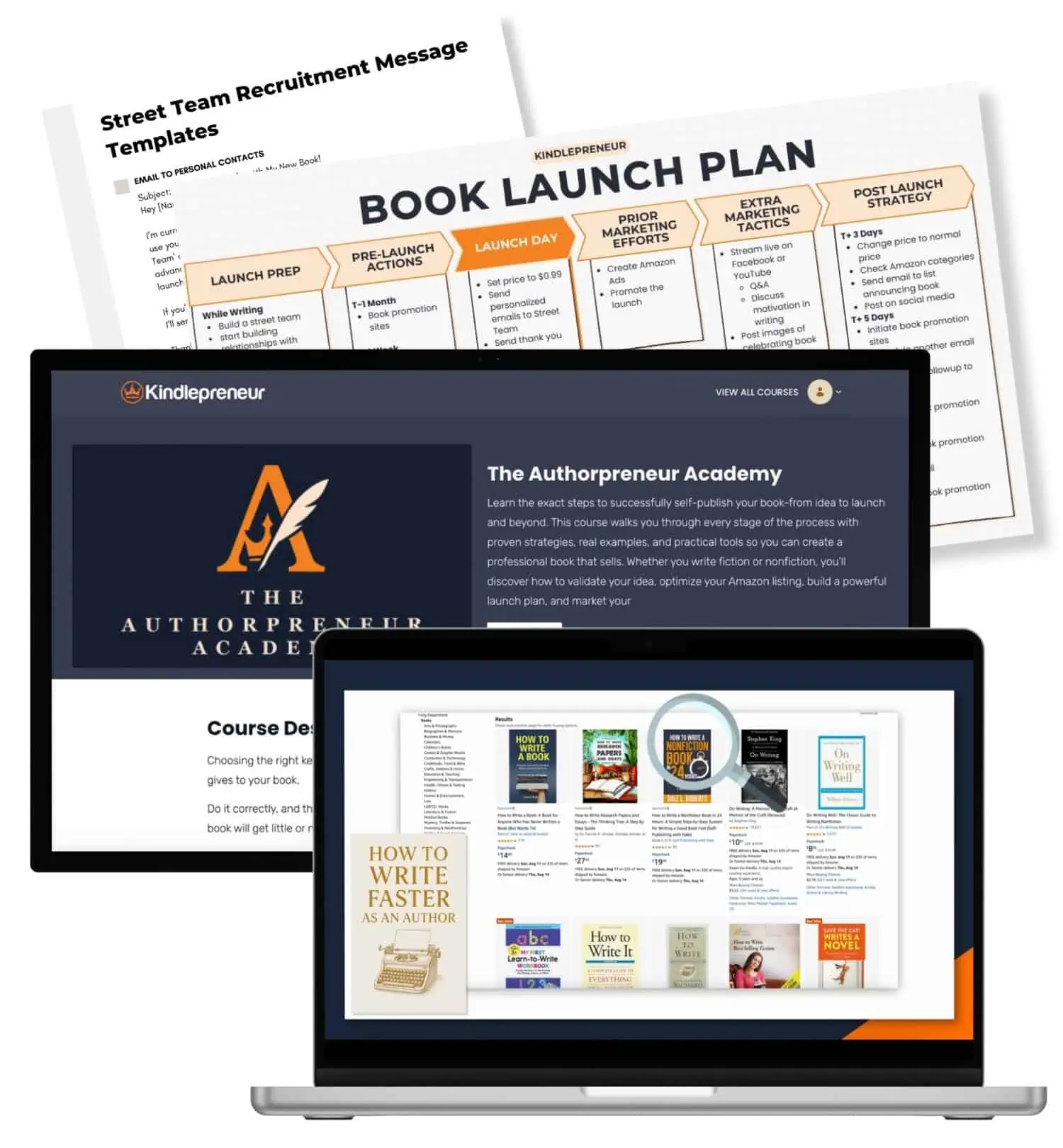
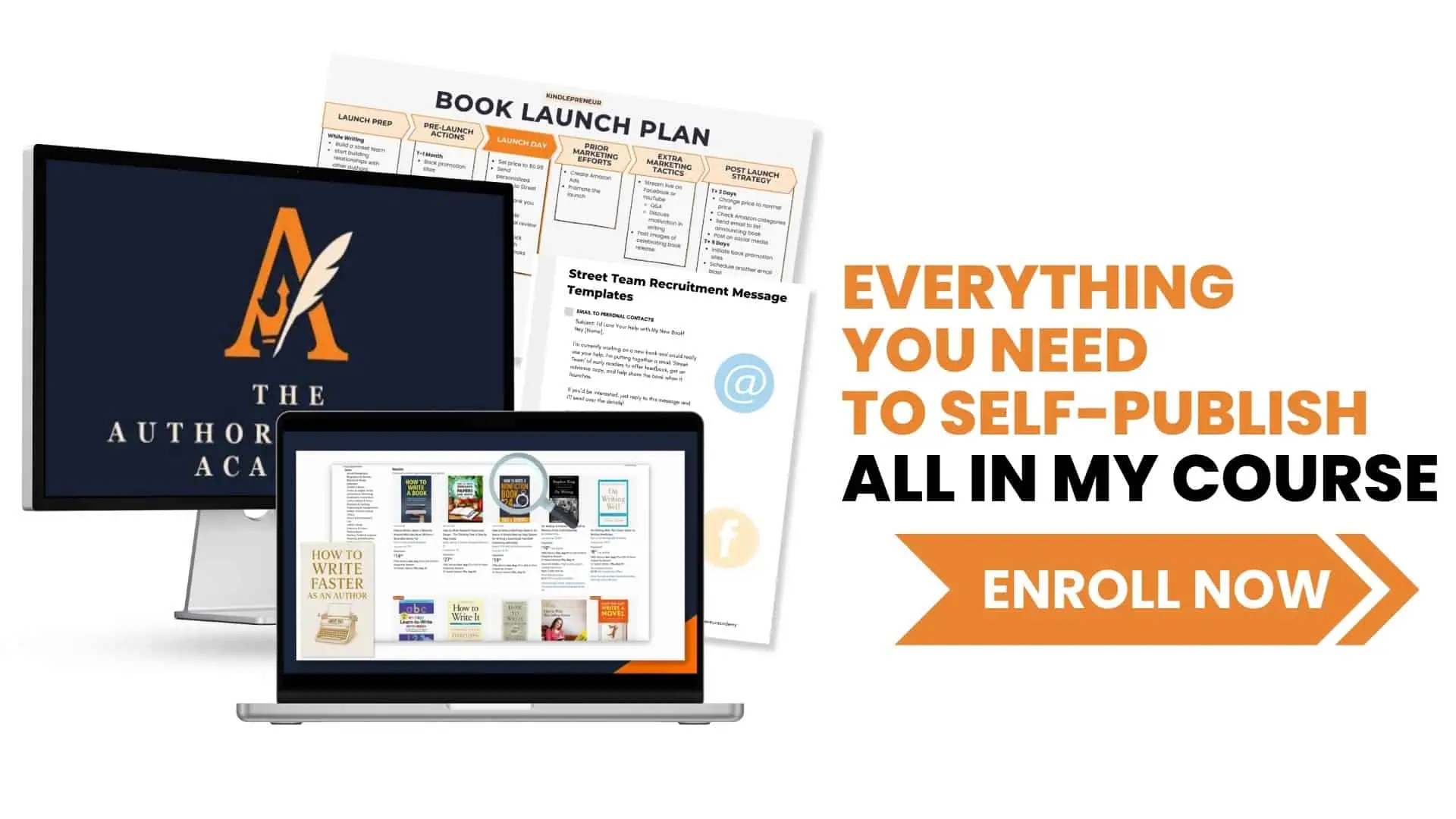
Authorpreneur Academy is a complete, structured course that teaches you how to approach self-publishing like a business.
Instead of guessing or hoping things work out, you’re guided through a proven process for planning, publishing, and marketing a book (especially helpful in situations where organic Amazon traffic isn’t enough).
Inside the course, authors learn how to:
- Position a book so it stands out, even in competitive or unconventional markets
- Launch with a strategy instead of relying on luck
- Drive traffic intentionally using the right marketing channels
- Build a long-term foundation that supports more than a single book
More than 1,500 authors have gone through the program, learning how to craft, publish, and market books that stand out… without feeling overwhelmed or scattered.
If your idea didn’t pass validation but you’re committed to writing it anyway, this kind of system gives you clarity, direction, and far more control over the outcome.
Additional Resources
These two resources work especially well alongside Authorpreneur Academy:
- Amazon Ads: Free Amazon Ads video Course
- Keywords and Categories: Our course on mastering keywords and categories
So What’s Next?
Whether or not you use the lightning fast and bodaciously awesome Publisher Rocket – yeah, I’m a bit biased – or the steps listed above, we authors need to do our research. We can no longer just wing it because there are now over 6 million books on Kindle. And Publisher Rocket will help you find keywords for both fiction and nonfiction ideas.
Now, the steps above don’t promise success. But just like any successful business does its marketing research, it's critical for an author (business) to take measures to ensure they can answer the above questions and provide actionable data in order to make that critical decision.
You as an author have the ability to research the potential of your book idea and can now decide whether or not to move forward on the subject thanks to this book topic validation process.
—
Editorial update: Edited in January 2026 to update and refine the book idea validation process using current Amazon data and publishing best practice.