KU vs. Wide: Should You Be Exclusive to Amazon or Not?

Are you unsure if you should go exclusive to Amazon with Kindle Unlimited or publish wide on all platforms? See our recommendations.
Are you unsure if you should go exclusive to Amazon with Kindle Unlimited or publish wide on all platforms? See our recommendations.

What should you do if Amazon has a glitch that prevents you from earning royalties or having an pleasant user experience?
Learn exactly how to make an audiobook, where to promote it for free, and how to market audiobooks to get more book sales.

After taking many Self Publishing courses, find out which one is the best and will help you your book business grow.

First person POV is widely used in fiction and certain types of nonfiction. It’s characterized by the use of first person pronouns.

Second person POV is one you come across every day — but usually not in fiction. It is more common in nonfiction.
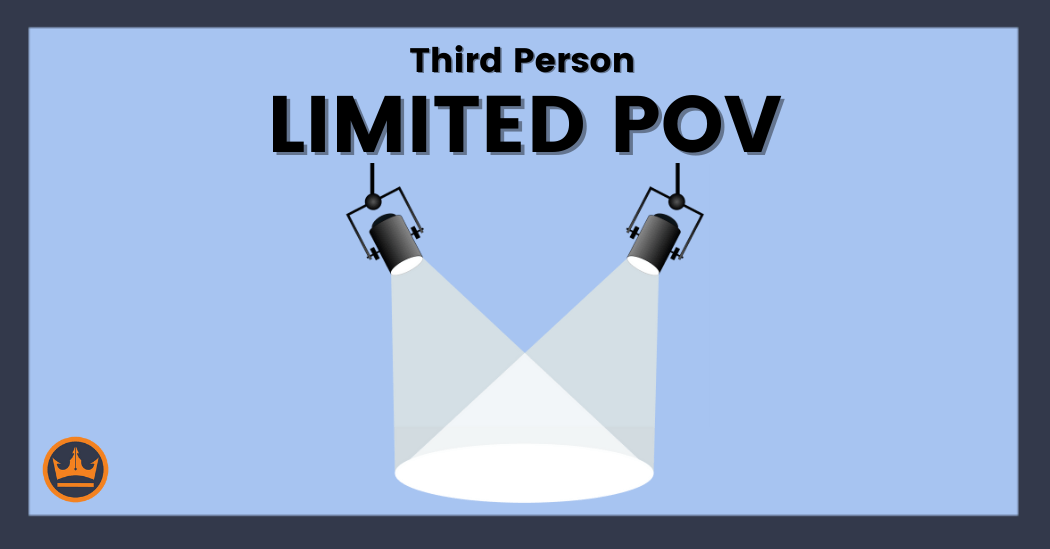
Third person limited point of view is one of the most common points of view in all of fiction. Writers use it all the time.
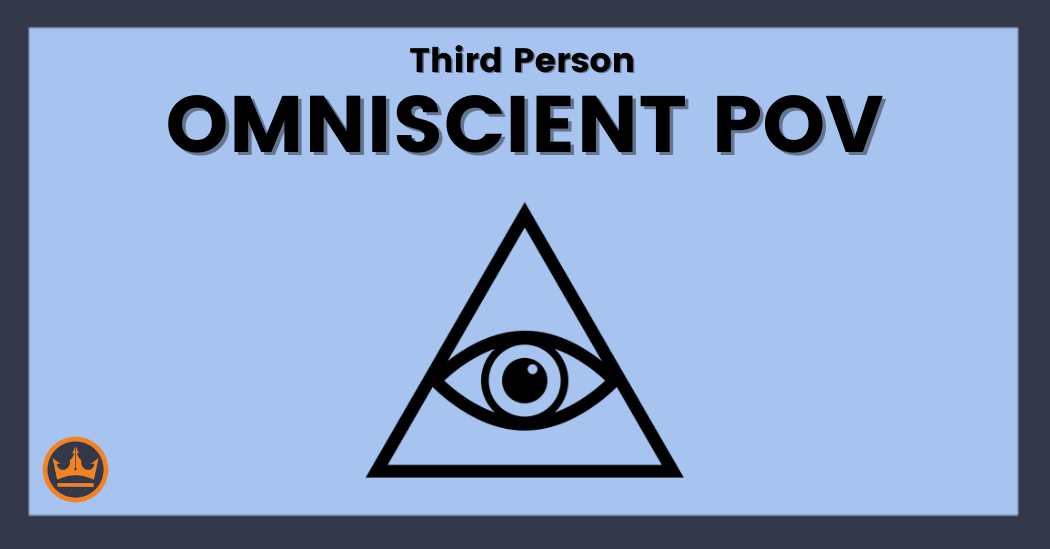
Third person omniscient point of view is a godlike viewpoint that gives the writer a lot of freedom within the story.

Fourth person point of view is not a well-recognized perspective. And there are good reasons for this, which we’ll discuss in this article.

Writers of the Future is a great contest for aspiring science fiction, fantasy, and horror authors. Learn more in this ultimate guide.

For authors who struggle to email their email lists frequently for fear of being marked as spam, this guest post might help.

Looking to create magical fantasy creatures for your book? This article will help you make them believable and unique.
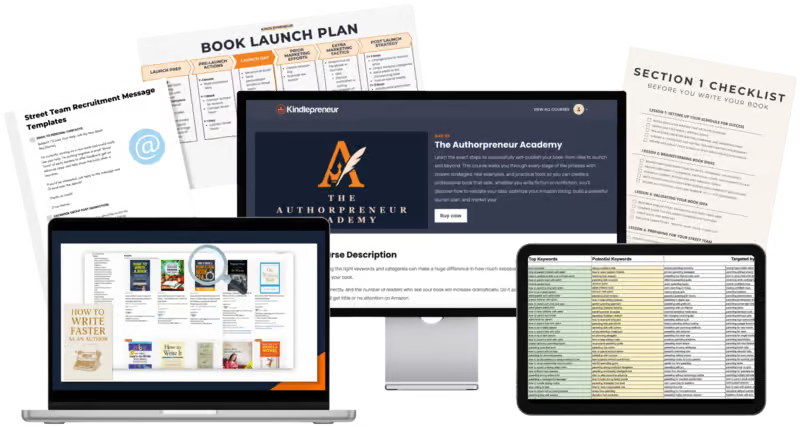
INTRODUCING: AUTHORPRENEUR ACADEMY
Join 1,500 (and counting) students who have learned our proven process for crafting, publishing, and marketing a book that stands out — without feeling overwhelmed.